Emergency and Risk Management Consulting
We take action at every level, from the tactical and practical to policy and strategy.
When crisis strikes, experience matters. We bring over two decades of leading the most complex emergencies to help your organization prepare, respond, and recover.

The gap between having a plan and executing it under pressure can cost lives, damage reputations, and threaten organizational survival.
Every time the phone rings in the middle of the night, every activation, every time we build a plan that helps someone get the resources they need, we show up. We’ve responded to hundreds of presidentially declared disasters across the full threat spectrum, from hurricanes and wildfires to cyber incidents and terrorist attacks.
This hands-on experience, paired with deep expertise in policy, planning, and exercise development, enables us to deliver practical solutions that work under pressure.
How We Can Work Together
Provincial Strategies scales to meet your needs. We work independently for focused projects or assemble specialized teams for enterprise-wide initiatives.


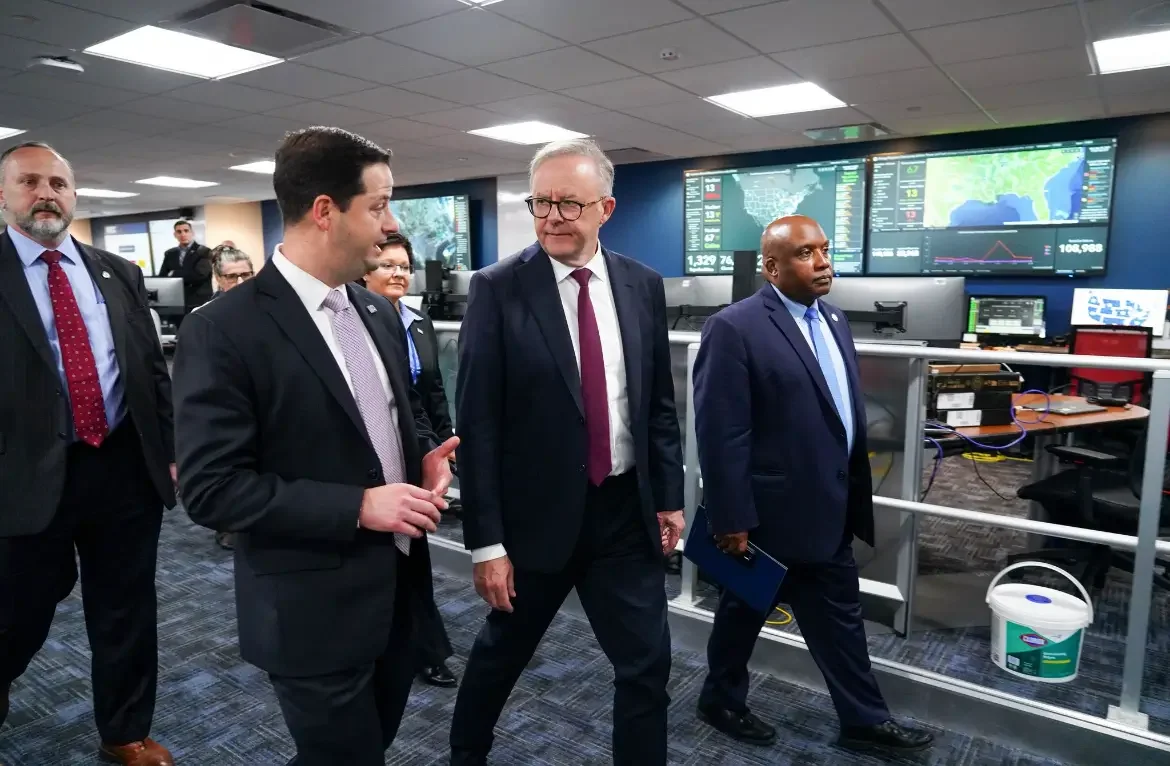
Operations Center Design & Development
Your operations center is either your greatest asset during crisis response, or your most expensive conference room. If it looks impressive but does not function during activation, it drains resources and undermines response. We design Emergency Operations Centers around how they work under real pressure, ensuring your investment supports operational capability when you need it most.
-
Physical Layout & Design: Optimize space configuration for information flow, decision-making hierarchy, and functional integration. We design for both routine activations and surge capacity during major events.
Common Operating Platform Development: Create digital and physical information management systems that provide common operational pictures across leadership, operations, planning, logistics, and finance sections.
Operational Report Design: Develop standardized reporting formats (situation reports, incident action plans, executive briefings) that provide succinct, critical information to those who have no time to waste.
Technology Integration: Recommend and integrate appropriate technology solutions that enhance rather than complicate operations.
Standard Operating Procedures: Document activation protocols, shift change procedures, information management workflows, and demobilization processes.

Response Plan & Policy Development
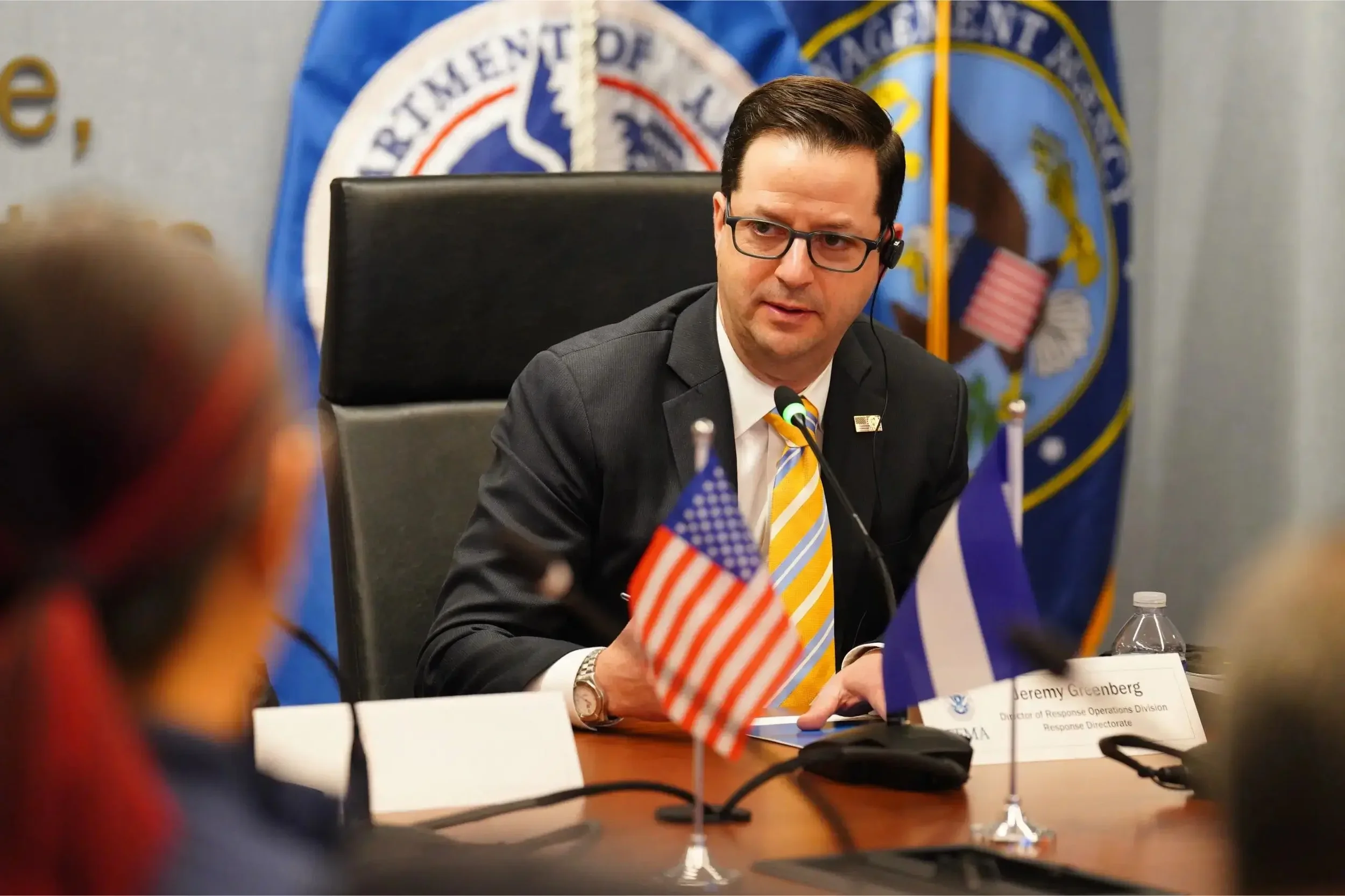
Plans fail when they’re written for compliance rather than execution. We write plans that responders actually use because they’re clear, concise, and tested under realistic conditions.
As the primary author of FEMA’s Community Lifeline construct, combined with our experience responding to hundreds of disasters, we know what works when theory meets reality.
-
Emergency Operations Plans (EOPs): Comprehensive planning documents aligned with FEMA’s Comprehensive Preparedness Guide 101 and tailored to your specific threats, vulnerabilities, and organizational structure.
Incident-Specific Plans: Specialized annexes for high-priority scenarios including active threat, hazardous materials, severe weather, pandemic response, cyber incidents, and continuity of operations.
Standard Operating Procedures: Detailed, actionable procedures for critical functions including EOC activation, emergency notifications, resource ordering, mutual aid coordination, and public information.
Policy Development: Executive-level policy frameworks that establish authority, define roles and responsibilities, and provide decision-making guidance for crisis situations.
Plan Integration: Ensure your emergency plans align with broader organizational policies, industry standards, regulatory requirements, and mutual aid agreements.

Exercise Design, Development, Conduct, & Evaluation
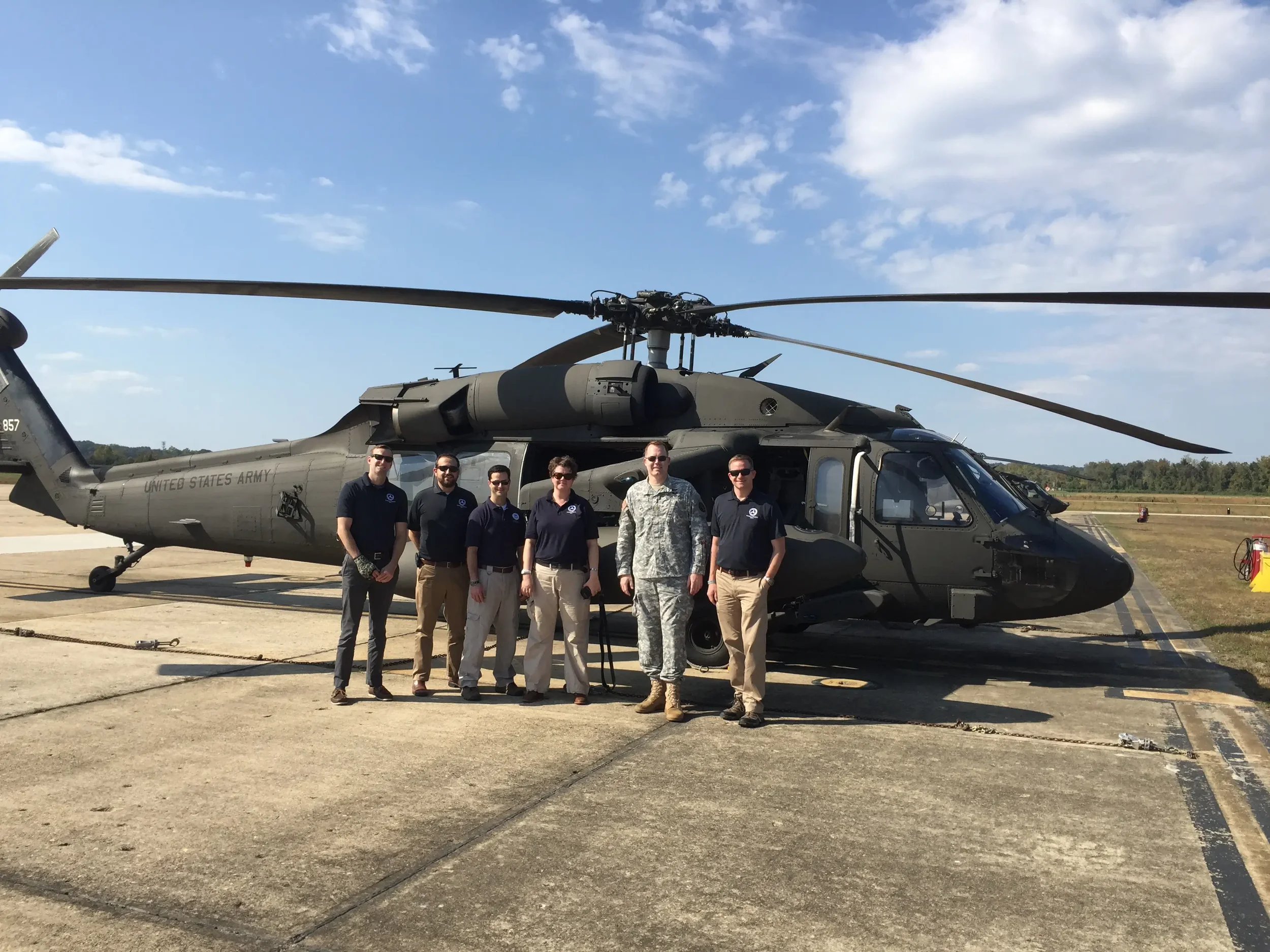
Exercises reveal what happens when your organization faces crisis, not what you hope will happen. Led by a certified Master Exercise Practitioner (MEP), we design exercises that challenge your people and systems realistically, creating learning opportunities that improve capability rather than simply validate existing assumptions.
-
Multi-Year Exercise Program Development: Design progressive exercise programs that systematically test capabilities and build organizational competency over time.
Tabletop Exercises: Facilitated discussion-based exercises that test plans, policies, and decision-making processes in a low-stress environment.
Functional Exercises: Simulated operations that test coordination, information flow, and decision-making without deploying actual resources.
Full-Scale Exercises: Realistic field exercises that test operational capabilities end-to-end, including resource deployment and multi-agency coordination.
After-Action Reports & Improvement Plans: Rigorous evaluation that identifies gaps, documents lessons learned, and creates actionable improvement roadmaps with assigned responsibilities and timelines.

Leadership Training
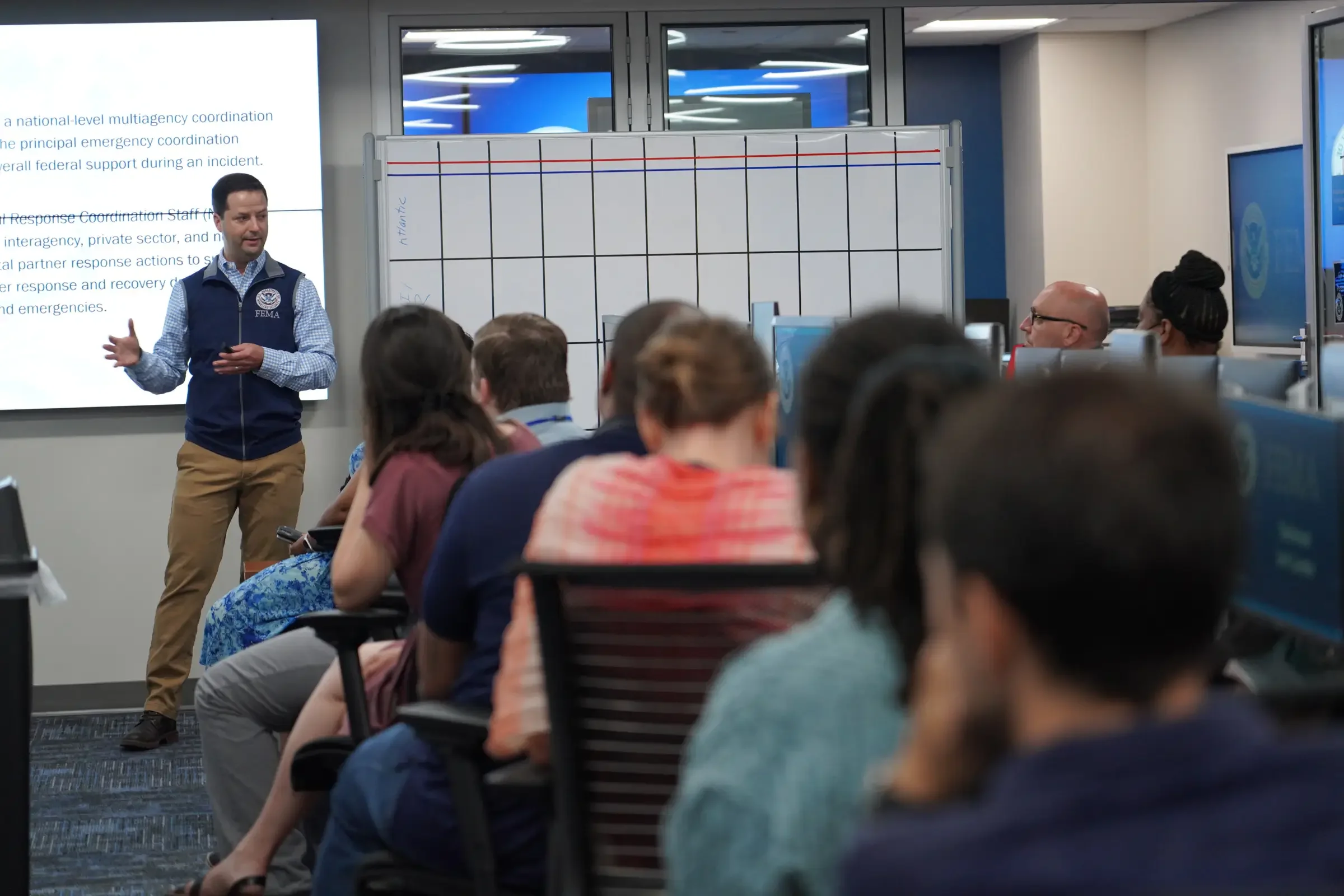
Crisis leadership requires a different skill set than day-to-day operations. Leaders need to make decisions with incomplete information, maintain organizational effectiveness when stakes are highest, and keep teams functioning when normal patterns fall apart.
-
Crisis Leadership Fundamentals: Training on decision making frameworks, situational awareness, delegation under pressure, and maintaining command presence during high stress incidents.
Executive Crisis Management: Specialized training for C-suite leaders on strategic decision making, stakeholder communication, legal and liability considerations, and organizational resilience.
Scenario Based Learning: Realistic crisis simulations that allow leaders to practice decision making, experience consequences, and receive coaching in a controlled environment.
Multi-Disciplinary Coordination: Training on leading diverse teams, managing external agencies, coordinating with elected officials, and maintaining unity of effort across organizational boundaries.
Incident Command System (ICS) Training: Comprehensive training on ICS principles, organizational structures, and leadership roles from basic awareness through command and general staff positions.

Crisis Augmentation
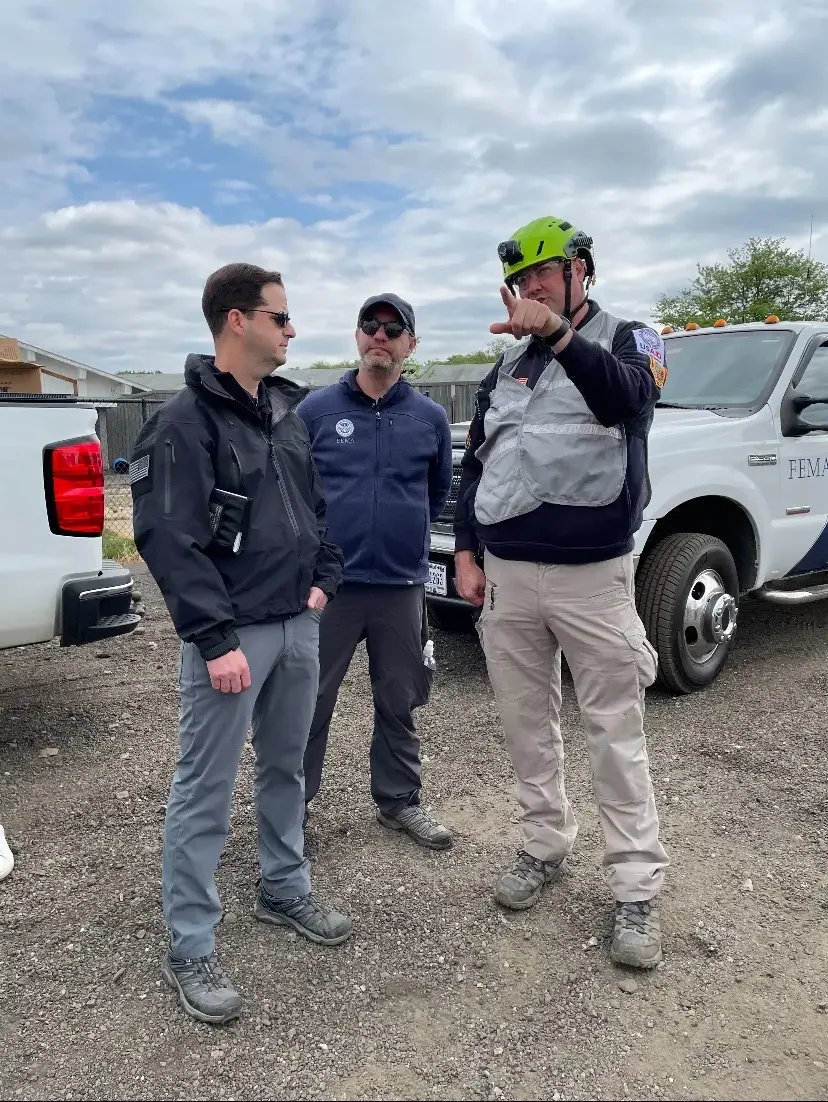
There’s no substitute for experience when lives and organizational survival are at stake. Our crisis augmentation service provides field-tested expertise exactly when you need it most—during emergencies when mistakes have real consequences.
-
Real-Time Advisory Support: Provide on-call expertise to guide decision-making, recommend courses of action, and anticipate second and third-order effects.
Embedded Incident Management: Deploy to your location to fill critical leadership or technical roles in your incident management structure.
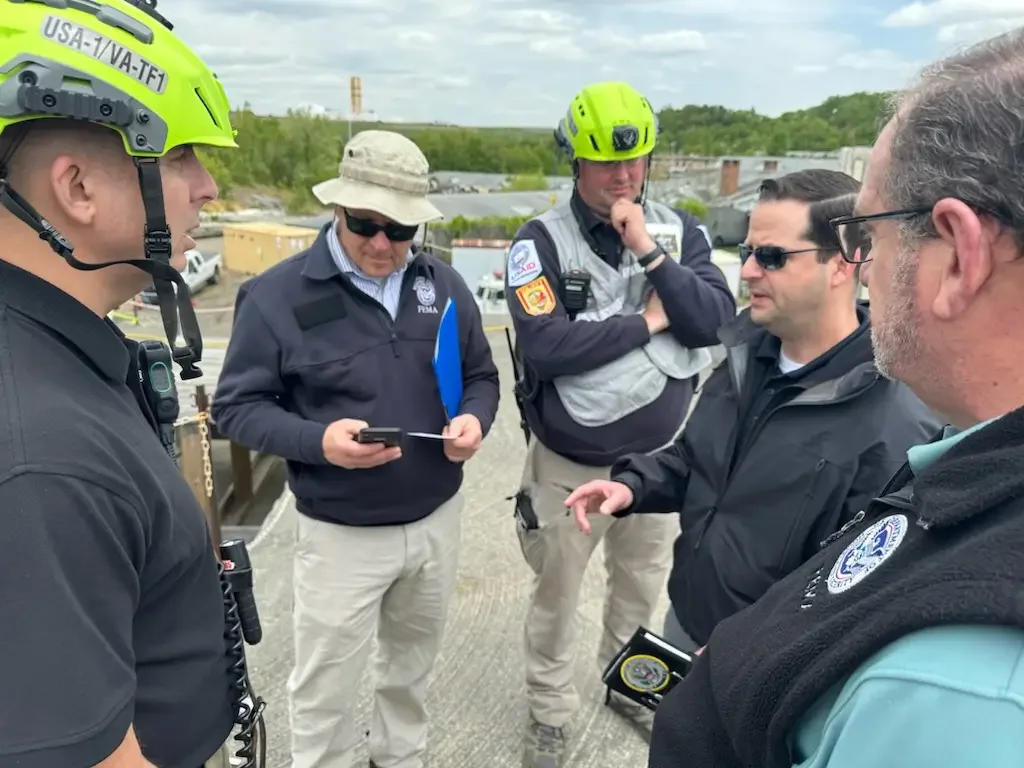
Liaison Coordination: Facilitate coordination with external agencies, mutual aid partners, state and federal resources, and community stakeholders.
Strategic Planning Support: Help your leadership team think beyond immediate response to consider longer-term recovery, business continuity, and organizational resilience.
Expertise Built on Action
President and Founder, Jeremy Greenberg
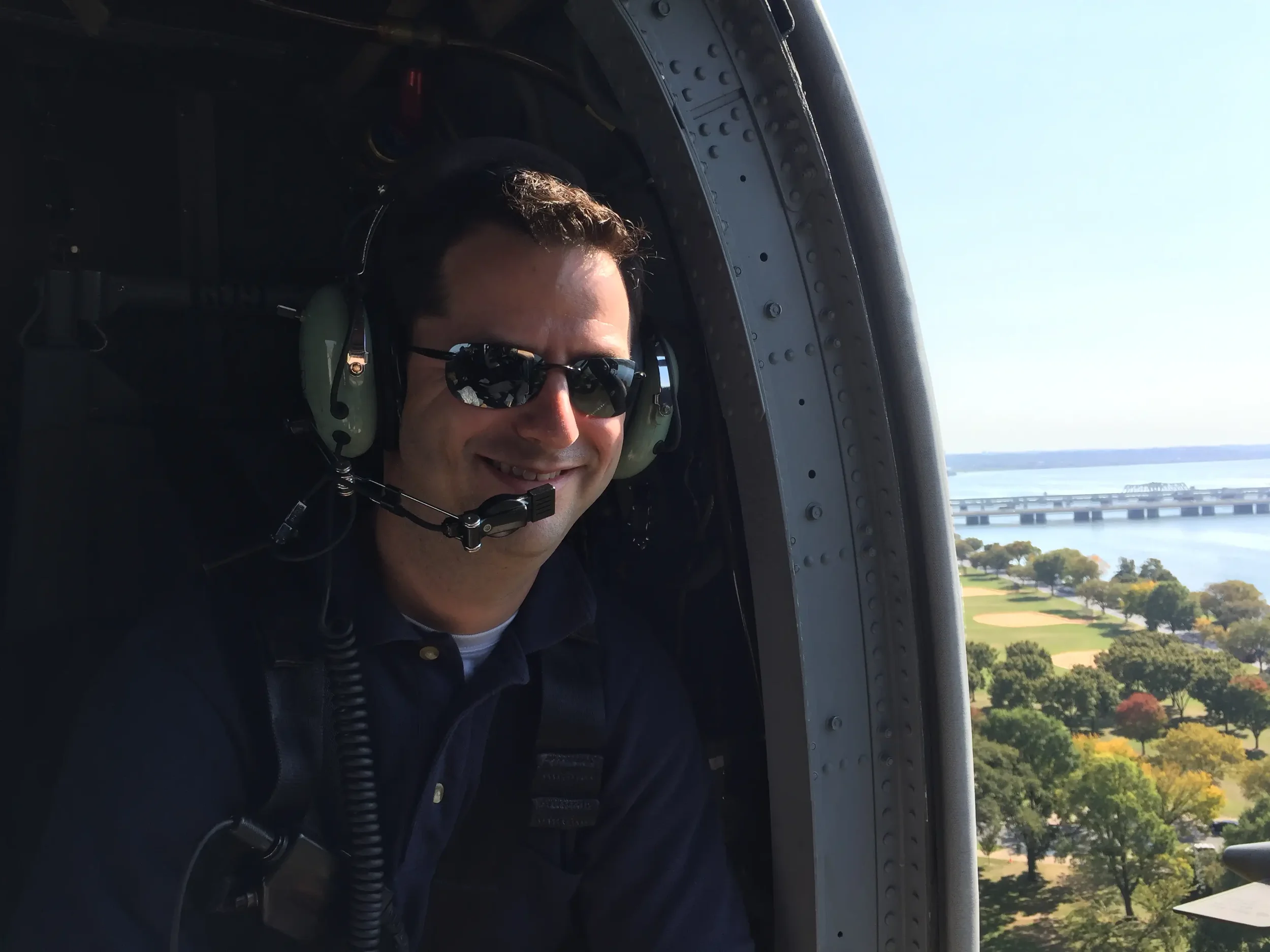
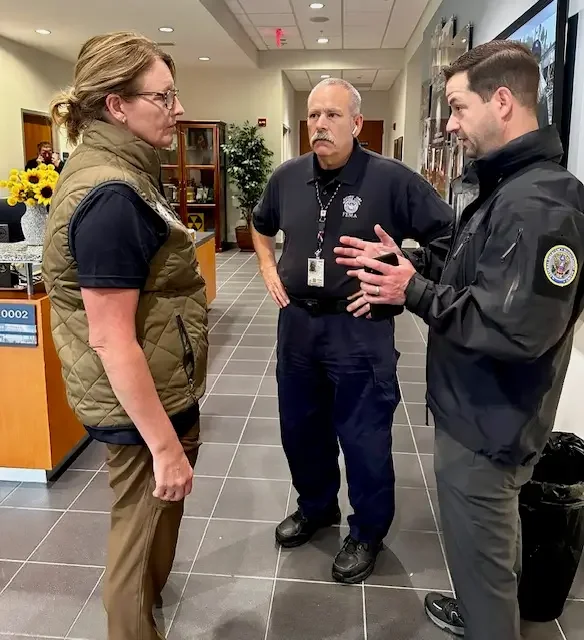
As the President of Provincial Strategies, I bring 23 years of emergency management experience shaped by work from the front lines to the highest levels of the federal government as a Senior Executive (SES). As the Director of Response Operations at FEMA, I led the national response to presidentially declared disasters and supported senior career and political leaders during some of the country’s most complex crises.
My career has taken me through deployments, operations centers, planning and policy roles, external affairs, and exercise development. I’ve worked hundreds of incidents across the full threat spectrum, including hurricanes, wildfires, cyber incidents, terrorist attacks, and public health emergencies.
I also spent 20 years as a firefighter, EMT, and instructor, which kept me grounded in what responders face and what communities need on their worst days. That mix of field work and executive leadership shaped the way I show up for people, from the firehouse to the White House.
You deserve someone who knows what it feels like to make time sensitive decisions, bring order to confusion, and keep people steady when everything around them is shifting. I hold a Master’s from the National Defense University and am a graduate of the Harvard National Preparedness Leadership Initiative, but what matters most is helping you build something that works during times of crisis.
At Our Core
-
Because at the end of the day, this work is about protecting people and helping organizations continue their mission.
-
When decisions need to be made under pressure, the quality of information matters.
-
If people need help, help them. We cut through complexity to deliver solutions that work.
-
Experience teaches you when to follow the playbook and when to adapt.
Awards & Recognition
Get Started
Complete the form that helps us understand your specific situation and scope your needs.
We'll reach out within 48 hours to discuss timeline, deliverables, and how we can best support your organization.